


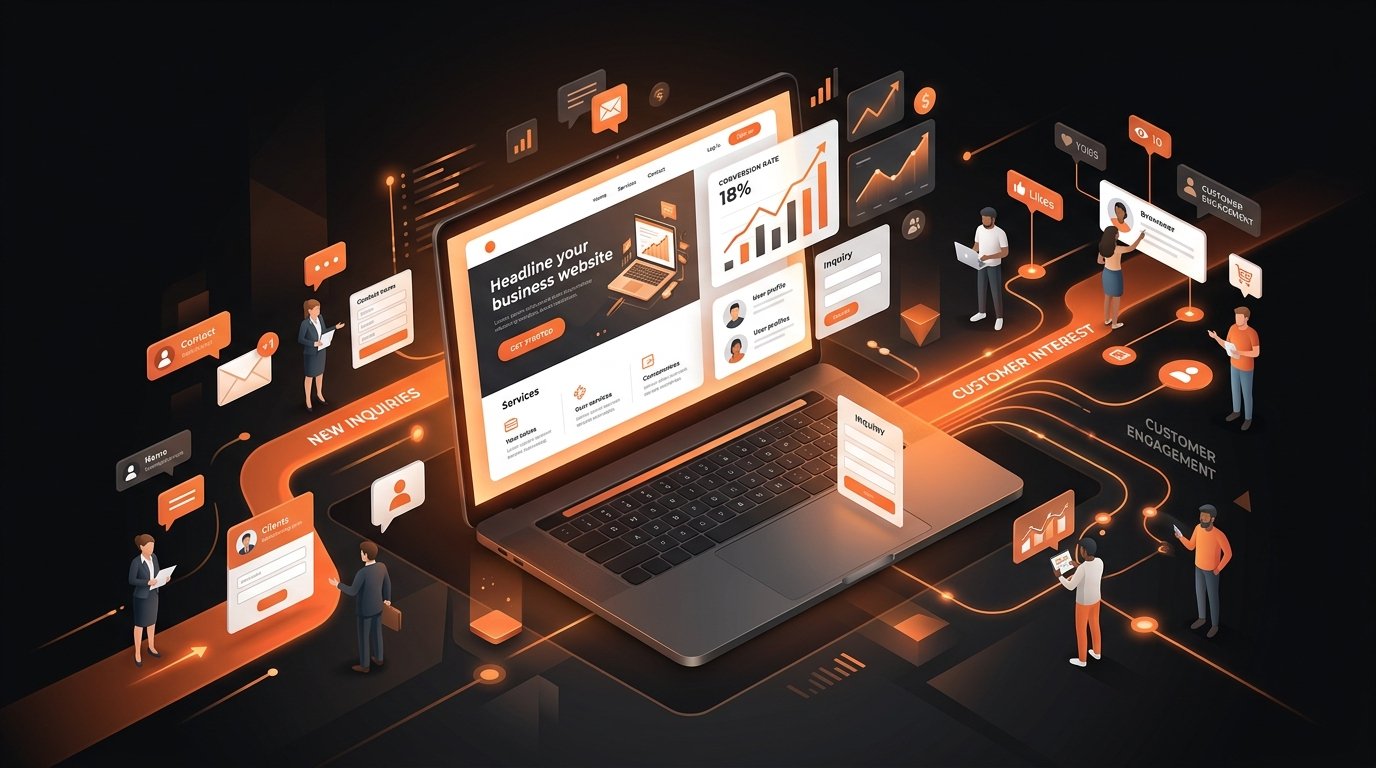
Many business owners ask a very fair question: "How can a website help my business when I already have an Instagram account or get customers through word of mouth?"
It is a sensible doubt. A website requires time, focus, and financial investment. If it ends up sitting neglected on the internet without bringing in business, it is an unnecessary expense.
However, when designed with a clear business purpose, a website is far more than a digital brochure. It acts as your primary credibility anchor, an organized catalog of your services, and a 24/7 lead generation channel. In this guide, we explore the seven tangible ways a website helps your business grow, with real examples and no exaggerated claims.
An Honest Truth Upfront
A website does not magically guarantee customers or instant Google rankings overnight. A website is a tool, not magic. Your real business outcomes depend on your offer, your reputation, your marketing, and the quality of your website experience. But when people research your business, a great website makes the difference between earning their trust or losing them to a competitor.
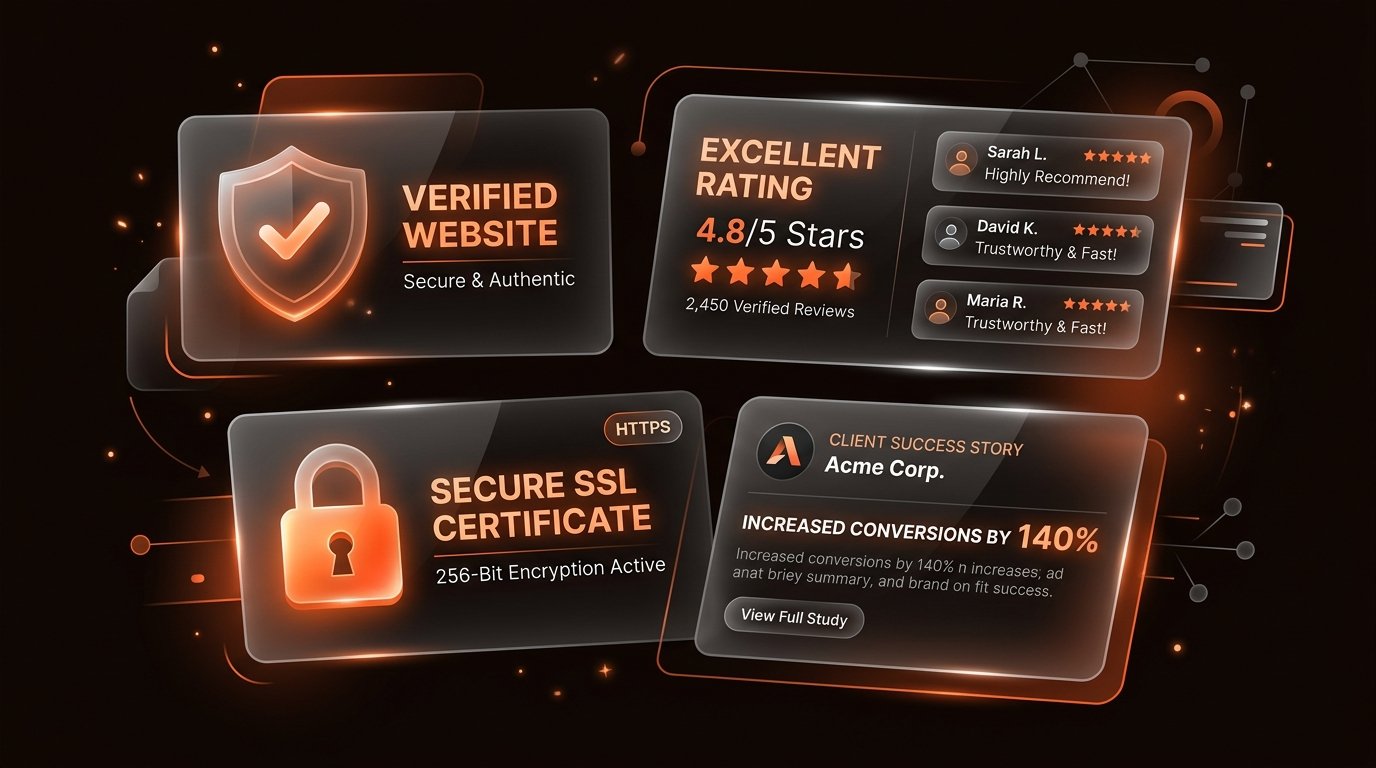
1. Build Trust and Credibility
Before spending money with a business they have never used before, modern consumers and B2B buyers do one thing first: they search your name on Google.
If they search for your company and find only an outdated Facebook page or a private social media profile, hesitation immediately creeps in. People wonder:
- Is this business still active?
- Are they legitimate and reliable?
- Can I trust them with my money and project?
A fast, well-structured business website with a custom domain name (like yourbusiness.in) instantly validates your professionalism and proves you are established for the long run.
2. Help People Find Your Business
When someone needs a service in their city, they do not browse Instagram hashtags. They open Google and search for exact commercial queries like "commercial solar installer near me" or "chartered accountant in Kolhapur".
With basic local SEO, a dedicated website can rank for search terms where people have immediate buying intent. Unlike social media posts that disappear from user feeds within 24 hours, an SEO-friendly website continues attracting organic search visibility month after month.
To learn how to plan these fundamentals from the start, read our step-by-step roadmap: How to Make a Website for Your Business.
3. Explain Your Products or Services Clearly
Social media feeds are designed for fast browsing, not for organizing detailed service information. On Instagram or LinkedIn, your service details, packages, and client results are scattered across dozens of individual posts.
A dedicated website gives your customers a clean, organized hierarchy:
- Core offerings: Each service gets its own section explaining what is included and how the client benefits.
- Ideal fit: Clear descriptions help customers know if your service is right for their budget and needs.
- Transparent workflow: Walkthroughs explaining how the engagement works step by step.
4. Generate Customer Enquiries
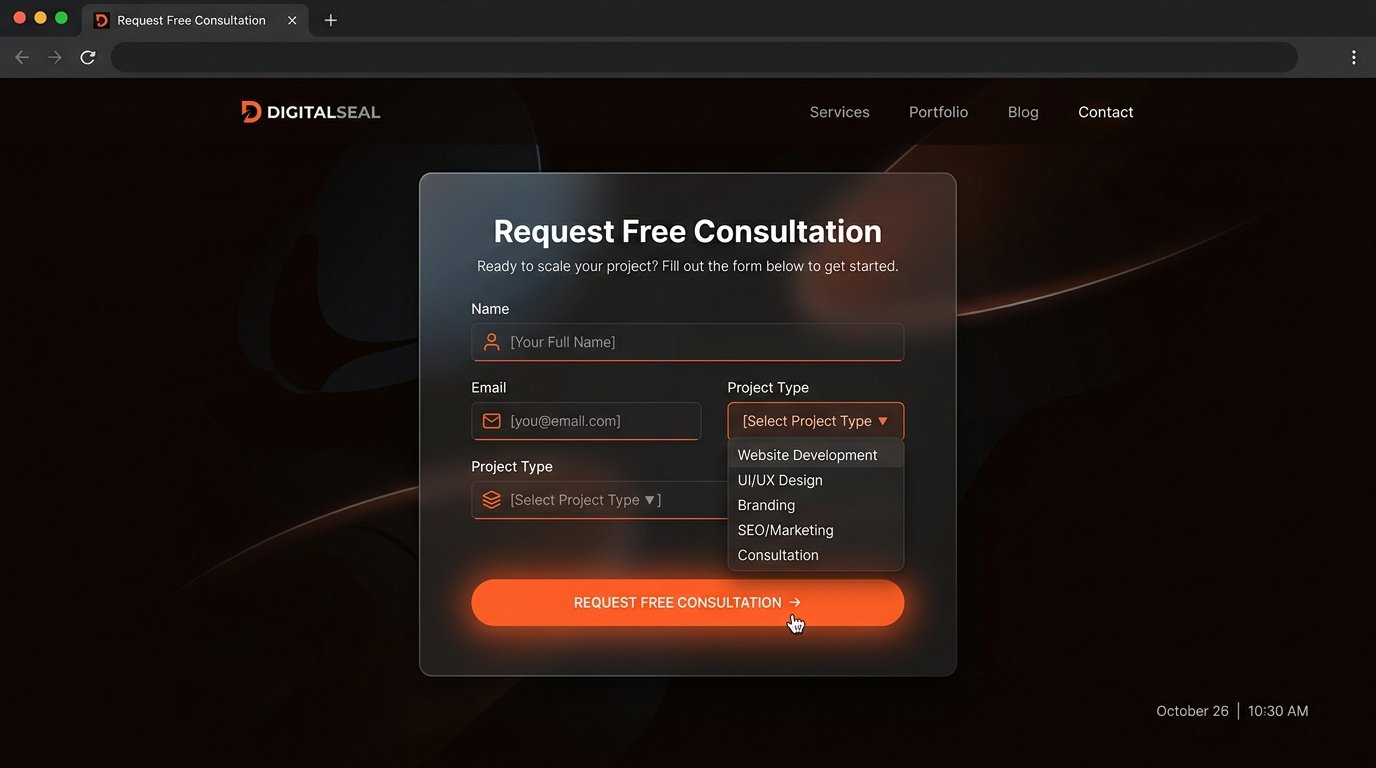
A business website is not just a place to display text; it is an enquiry engine. When an interested prospect reaches your site, you give them a clear, frictionless path to get in touch.
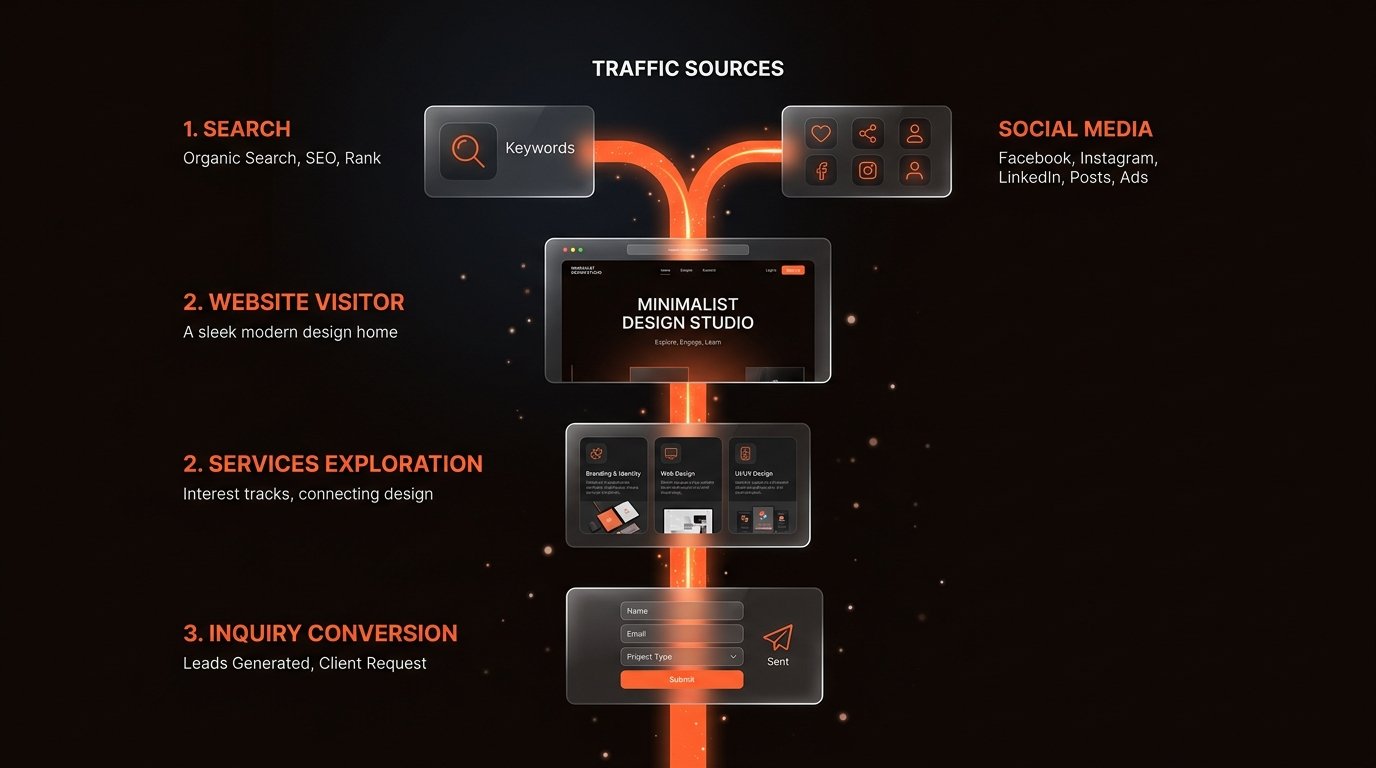
By streamlining contact forms, adding direct WhatsApp or phone triggers, or offering calendar booking links, your website removes buying friction and turns passive readers into active project conversations.
5. Give Customers Information 24/7
You and your team cannot answer calls twenty-four hours a day, but your website is always live. When a busy business owner researches service providers at 10 PM on a Sunday, your website answers their common questions on autopilot:
- What specific services do you provide?
- Where are you located and what regions do you serve?
- What does working together typically cost?
- How can I schedule a discovery call?
Answering these questions upfront saves dozens of hours of repetitive phone calls and filters out bad-fit enquiries before you spend time on them.
6. Support Your Marketing and Advertising
If you run Meta Ads (Facebook & Instagram ads) or local Google Ads, where do you send that paid traffic?
Sending ad clicks to a generic social profile often wastes budget because visitors get distracted by notifications, competitor ads, or random comments. A dedicated, fast-loading landing page keeps visitors focused strictly on your offer and call to action, dramatically improving your conversion rate.
7. Show Your Work and Build Confidence
Nothing convinces a hesitant prospect faster than seeing proof of your past work. A portfolio section allows you to present high-resolution imagery, client challenges, and real project outcomes.
For example, in our Hansraj Solutions case study, prospective clients can inspect how we structured clean solar service presentations, responsive layouts, and zero-maintenance architecture for an industrial brand.
Website vs Social Media: Which Do You Need?
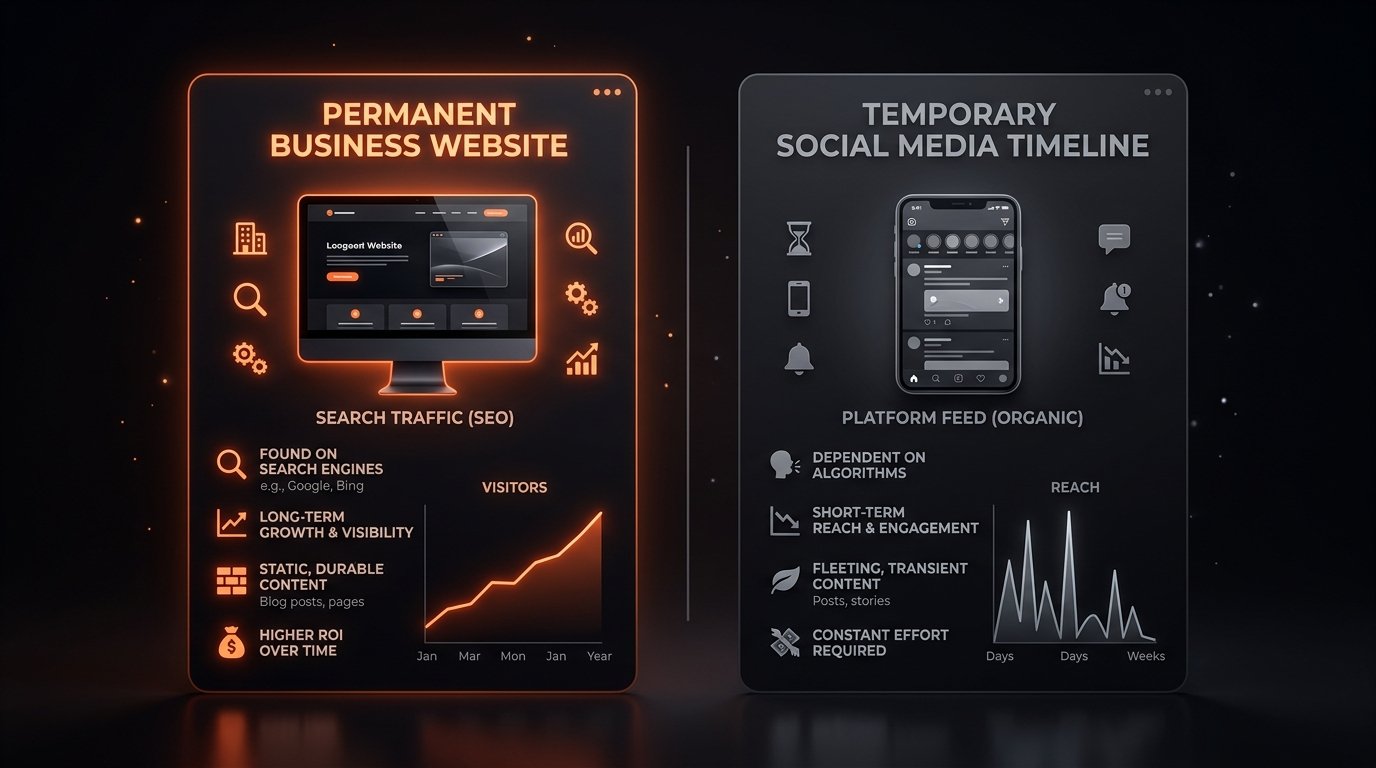
You do not have to choose between a website and social media. They perform completely different jobs in your business:
| Factor | Dedicated Business Website | Social Media (Instagram, LinkedIn) |
|---|---|---|
| Ownership | 100% Owned. You control your domain, design, and content forever. | Rented Land. Subject to sudden algorithm updates and account bans. |
| Search Intent | Captures high-intent searchers actively looking to hire or buy on Google. | Interrupts passive scrollers who may not be in buying mode. |
| Content Shelf-Life | Permanent. Pages and guides remain accessible and rank for years. | Short. Posts lose engagement and disappear within 24 to 48 hours. |
| Conversion Focus | Designed specifically to capture qualified enquiries and phone calls. | Designed to keep users scrolling on the social platform. |
Does Every Small Business Need a Website?
To be completely realistic, not every single business needs a custom website immediately. If you run a casual weekend hobby, sell exclusively through local farmers' markets, or have more referral work than you can handle, a simple Google Business Profile might suffice.
However, if you want to:
- Win clients beyond your immediate friend and family circle
- Charge professional rates based on demonstrated expertise
- Compete with established players in your regional market
- Run online advertising campaigns profitably
Then having a modern business website is virtually essential.
What Makes a Business Website Effective?
An effective business website does not require complex code or endless pages. It succeeds by following four simple principles:
- Immediate clarity: Visitors must understand what you do within the first 5 seconds of loading your homepage.
- Fast mobile loading: The page should load in under 2 seconds on a 4G mobile connection.
- Authentic proof: Display real photos of your team, work, and client testimonials.
- Single primary action: Do not confuse visitors with multiple competing buttons. Give them one clear next step (e.g., "Request a Quote" or "Book a Call").
If you are choosing what technology to build your site on, check our platform comparison: Read the Framer vs WordPress comparison.
Common Website Mistakes That Waste Money
- Writing for yourself instead of customers: Focusing on company history rather than solving customer problems.
- Ignoring mobile screens: Building a site that looks great on an office monitor but is impossible to read on a phone.
- Hiding contact info: Making users hunt through three menus just to find a phone number.
- Overcomplicating the design: Adding confusing animations and pop-ups that slow down the page.
How to Turn a Website Into a Better Enquiry Channel
To ensure your website consistently generates client interest:
- Keep contact forms short—ask only for name, email, and a brief description.
- Add a direct WhatsApp chat option if your local market prefers messaging.
- Offer an intro call booking option so high-intent prospects can choose a time immediately.
- Explain what happens after they submit an inquiry (e.g., "We reply within 24 business hours").
Frequently Asked Questions
Does my small business really need a website if I have social media?
Yes. Social media platforms are rented land subject to algorithm shifts and temporary reach. A business website is an asset you own 100%, ranking on Google for high-intent search queries and presenting an organized catalog of your services 24/7.
How does a website generate more customer enquiries?
A business website acts as an enquiry engine by removing friction. With prominent contact triggers, WhatsApp links, clear service pricing or package details, and simple inquiry forms, qualified prospects can immediately reach out.
Can a small business website rank on Google?
Yes. By optimizing on-page SEO, targeting local search phrases (like your service plus your city), and publishing helpful educational guides, small business websites regularly outrank larger directories and local competitors on Google.
How long does it take for a business website to produce results?
If you drive immediate traffic via Google Business Profile, client referrals, or Meta ads, an optimized website starts converting visitors immediately. Organic Google search rankings typically mature over 2 to 6 months as domain authority builds.
Final Takeaway
A website is not an vanity project; it is an operational asset. When executed well, it builds instant credibility, answers customer doubts around the clock, and acts as the central destination for all your marketing efforts.
To see what the creation journey looks like from kickoff to launch day, explore our guide on the Website Development Process.